蛋白高通量测序技术主要基于色谱分离技术和生物质谱以及生物信息学方法的与传统的分子生物学方法相比较,其具有高通量、高精度、高灵敏,能为亚微克级试样提供信息,适用于复杂体系中痕量物质的鉴定或结构测定,同时具有准确性、易操作性、快速性及很好的普适性。
蛋白高通量测序技术主要的研究应用:蛋白质表达谱,可以得到不同因素对蛋白差异表达的情况(污染物在表达水平对机体的影响);转录因子,可以得到控制某基因转录的调控机理和调控蛋白(污染物通过影响敏感的蛋白质而对转录水平的影响);蛋白质相互作用图网,可以得到某环境因子对一种蛋白质的影响后导致其他蛋白的影响(污染物通过影响敏感的蛋白质而引起的相关蛋白质的一系列问题)。
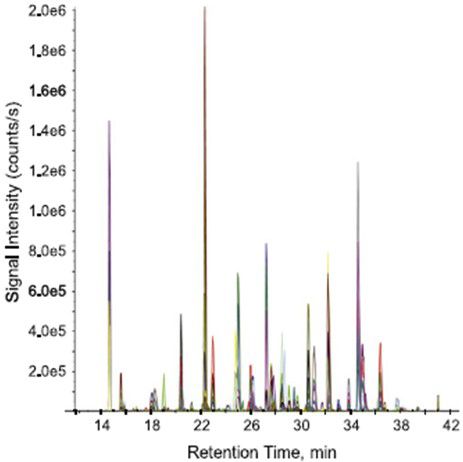
液相--多反应监控技术对酵母蛋白组的检测结果
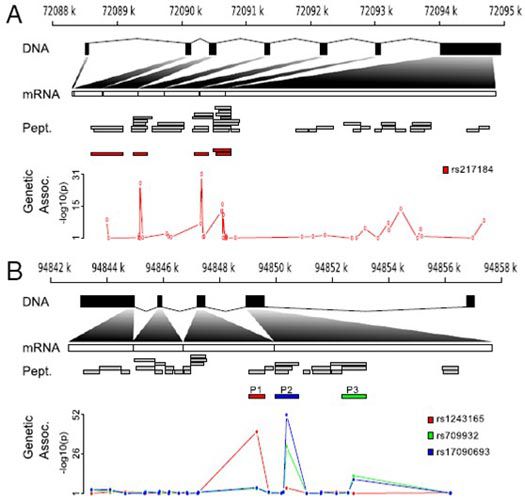
多肽的基因结构和位点
参考文献
[1] Picotti P, Bodenmiller B, Mueller L N, et al. Full Dynamic Range Proteome Analysis of S. cerevisiae by Targeted Proteomics[J]. Cell, 2009, 138(4): 795-806.
[2] Cvetkovic A, Menon A L, Thorgersen M P, et al. Microbial metalloproteomes are largely uncharacterized[J]. Nature, 2010, 466(7307): 779-782.
[3] Johansson Å, Enroth S, Palmblad M, et al. Identification of genetic variants influencing the human plasma proteome[J]. Proceedings of the National Academy of Sciences, 2013, 110(12): 4673-4678.
[4] Wu Bing; Zhang Xu-xiang; Gu Ji-dong; Cheng Shu-pei. Environmental proteomics and technology on measurement of pollutant molecular toxicity. Asian Journal of Ecotoxicology, 2007, 2(1):18-24.
[5] Bing Wu, Xuxiang Zhang, Yan Zhang, Dayong Zhao, Yibin Cui, Shupei Cheng. Extracellular proteomic analysis for degradation of PAHs in source of drinking water with fusant strains. Ecotoxicology, 2009, 18(6):736-741.